iPhone 11 Price in Philippines: What You Need to Know

When I first started thinking about writing this piece on the iPhone 11’s price in the Philippines, I wasn’t sure what I’d find. The model isn’t exactly new, and the tech landscape moves at a dizzying pace. However, as I delved into it, I realized there’s still a relevant story to tell for anyone considering this particular iPhone, whether for themselves or as a budget-friendly option for someone else. My own experience with tech purchasing has always been about balancing features with cost, and the iPhone 11, by all accounts, has always occupied an interesting space in that regard.
Navigating the iPhone 11 Market in 2025
It’s crucial to understand the current landscape for the iPhone 11 in the Philippines. As of 2025, you won’t find it directly from Apple’s official Philippine website. That chapter is, for all intents and purposes, closed. Apple’s focus has firmly shifted to its newer generations, with their site now showcasing the iPhone 17 series starting at a considerable ₱44,990. This means that if you’re looking to acquire an iPhone 11, your options are limited to the secondary market – specifically, refurbished and second-hand units.
The Rise of Refurbished and Second-Hand
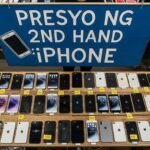
This shift has opened up a significant market for pre-owned iPhones. The appeal is evident: accessing the Apple ecosystem at a considerably lower price point. However, it also introduces a layer of complexity that buyers need to be aware of. The quality and condition of these devices can vary wildly, and so can the prices.
Understanding the Value Proposition
The iPhone 11, despite its age, still offers a compelling set of features for its current price bracket. The A13 Bionic chip, while no longer cutting-edge, remains capable of handling most daily tasks with ease. The camera system, particularly the dual-lens setup, delivers good performance for its time, and the overall build quality is still solid. When considering its price in the refurbished market, it’s important to weigh these inherent strengths against the fact that it’s not a new device.
Where to Look for Deals
My research indicated that reputable online marketplaces specializing in refurbished electronics are often the best bet. These platforms typically offer some form of warranty and have tested the devices, providing a degree of assurance that a private sale might lack. However, it’s essential to read reviews and understand the return policies of any seller before committing to a purchase.
If you’re considering purchasing an iPhone 11 in the Philippines, you might also be interested in exploring other smartphone options available in the market. A related article that provides insights into another popular device is about the Samsung Galaxy F15, which offers competitive features and pricing. You can read more about it by visiting this link: Samsung Galaxy F15 Review.
Current Price Points: A Realistic Outlook
When I look at the price of the iPhone 11 in the Philippines right now, it’s a story of substantial depreciation from its original launch prices. This is natural for any consumer electronics product, but the extent of it for the iPhone 11 is particularly noteworthy. The data I’ve gathered paints a clear picture: buying new is out, and the prices you’ll find are a reflection of its status as a slightly older, yet still functional, device.
The Refurbished Price Range
My findings show that refurbished iPhone 11 units, depending on storage capacity (starting from 64GB and going upwards), typically fall within the ₱12,000 to ₱18,000 range. This is a wide bracket, and the specific price you encounter will depend on factors like the seller’s reputation, the exact condition of the phone, and any included accessories or warranties.
Storage as a Price Determinant
It’s a perennial truth in the smartphone world: more storage equals a higher price. This holds true for the iPhone 11, even in the refurbished market. A 64GB model will invariably be at the lower end of the spectrum, while a 128GB or even a 256GB unit (if you can find one) will command a premium. For many users, 64GB is still ample for basic usage, but for those who store a lot of media or apps, the larger storage options might be worth the extra investment, if available.
Considering Higher-End Models on Sale
Interestingly, I also came across significant deals on slightly higher-tier models from the same generation. For instance, CompAsia presented an iPhone 11 Pro at ₱13,950, boasting a massive 77% discount, and an iPhone 11 Pro Max at ₱22,604, with a 62% saving. These are compelling figures that suggest it might be worth exploring whether a “Pro” version from the iPhone 11 lineup falls within your budget, especially if you’re looking for a superior display and camera system.
What About New? The Fading Hope
As I mentioned earlier, the idea of buying a brand-new iPhone 11 from an official retailer is largely a non-starter. I checked iStore, a common Apple reseller, and saw that while they previously listed the iPhone 11 starting at ₱14,990 (a stark drop from its original ₱30,990), it’s now marked as sold out. This reinforces the point that new stock of this particular model is no longer readily available through official channels.
The Reseller Landscape
The void left by official retailers is filled by numerous third-party resellers, particularly in areas like Greenhills, which is often cited in discussions about smartphone pricing in the Philippines. Recent video updates from these sellers indicate that you might still find new (or very lightly used) units, but these are likely older stock that they are trying to move. The prices here can be dynamic and often depend on negotiation and the specific seller.
Historical Price Comparisons
To truly appreciate the current pricing, a brief look back is useful. In 2022, new iPhone 11 models were priced at ₱31,990 for the 64GB and ₱34,990 for the 128GB. Even further back, in 2020, sales saw prices hovering around ₱37,990 to ₱40,990. This historical context starkly contrasts with the ₱12,000-₱18,000 range we’re seeing for refurbished units today, highlighting the significant time-based depreciation.
Software Support: What’s Left in the Tank?
One of the most critical considerations when buying an older iPhone is its software support longevity. Apple is generally good at providing updates for its devices for an extended period, but even they can’t keep pushing out the latest iOS versions indefinitely. This is where I think a lot of potential buyers might hesitate, and it’s a valid concern.
The iOS Update Horizon
Based on Apple’s typical support cycles, my understanding is that the iPhone 11 can expect continued iOS updates for approximately two to three more years from 2025. This suggests that it should remain compatible with new iOS versions likely into the 2027-2028 timeframe.
Implications for Security and Features
What does this mean in practical terms? For the next couple of years, you should still receive crucial security patches and feature updates, ensuring your device remains protected and reasonably up-to-date with the latest software functionalities. However, once support ceases, you’ll be stuck on the last version of iOS it received. This can eventually lead to compatibility issues with newer apps and services, and more importantly, a lack of crucial security updates.
Balancing Cost and Future-Proofing
This is where the decision becomes a trade-off. If you’re looking for a device that will receive updates for many years to come, the iPhone 11, even in 2025, is not the optimal choice. However, if your needs are more modest – basic communication, social media, light browsing, and you’re willing to accept that the phone will eventually stop receiving major software updates – then the current price might justify the remaining support window.
Factors Influencing Second-Hand Prices
The price of a used iPhone 11 isn’t a fixed number. It’s a dynamic figure influenced by several variables. Beyond the basic storage capacity, other elements play a significant role in what a seller is asking and what a buyer is willing to pay. My research into this area revealed a few key drivers.
Condition of the Device
This is arguably the most significant factor after storage. A phone in pristine condition, with no scratches, dents, or functional issues, will always fetch a higher price than one that shows signs of wear and tear. I’ve seen listings that explicitly detail cosmetic flaws, and these are often priced accordingly. It’s essential to scrutinize photos and descriptions carefully for any mention of screen issues, battery health (even if not explicitly stated, it’s a factor), or housing damage.
Battery Health: A Crucial Metric
For any used smartphone, battery health is paramount. While Apple stopped explicitly displaying a “maximum capacity” percentage in the settings for older models like iPhone 11 in some regions, reputable sellers often disclose this information. A battery health below 80% typically means it will need replacement sooner rather than later, and this should be reflected in the asking price. A unit with 90% or higher battery health will command a premium.
Included Accessories and Original Packaging
While not as impactful as the phone’s condition, the presence of original accessories, such as the charger, cable, and especially the original box, can add a small but noticeable increment to the resale value. Some buyers appreciate the completeness of the package.
Seller Reputation and Warranty
As I touched upon earlier, who you buy from makes a substantial difference. Authorized refurbished sellers or those with a strong track record and positive reviews can often command slightly higher prices because they offer a degree of trust and often a limited warranty. Buying from private individuals carries more risk, but can sometimes yield lower prices if you’re willing to take that chance.
The CompAsia Example
The mention of CompAsia, with their discounted Pro models, is illustrative. Their business model is centered around selling refurbished devices, and they likely have systems in place for grading, testing, and offering warranties, which justifies their pricing and the discounts they provide.
If you’re considering purchasing the iPhone 11 in the Philippines, it’s essential to compare prices and features with other models available in the market. For instance, the Samsung Galaxy A32 offers a compelling alternative with its own set of features and pricing. You can read more about it in this informative article on the Samsung Galaxy A32, which provides insights that may help you make a more informed decision about your next smartphone purchase. Check it out here: Samsung Galaxy A32.
Alternatives to Consider at Similar Price Points
While I’m focused on the iPhone 11, it’s always prudent to consider what else is available in the Philippine market around the ₱12,000-₱18,000 mark. The tech landscape is diverse, and sometimes, a different brand or even a different Apple model might offer better value depending on your specific needs and preferences.
Newer iPhones on Sale or Refurbished
It’s entirely possible that during sales events from Apple or its authorized resellers, you might find slightly newer iPhone models (like an 8, X, XR, or even a base model 12 in refurbished condition) falling into this price range. These could offer newer features or longer software support. I’d recommend keeping an eye on official promotions around major sale periods in the Philippines.
Exploring the Android Ecosystem
For many, the appeal of the iPhone 11 boils down to its price point and a desire to enter the Apple ecosystem without breaking the bank. However, the Android market offers a vast array of devices at this price point, often with more advanced features like higher refresh rate displays, better camera hardware on paper, or larger batteries. Brands like Samsung (especially their A-series or older S-series), Xiaomi, and Oppo consistently offer compelling options in this budget segment.
Weighing Features vs. Ecosystem
The decision here is really about priorities. If the Apple ecosystem, iMessage, and the general iOS experience are paramount, then a refurbished iPhone 11 remains a strong contender. If you’re more feature-driven or indifferent to the operating system, exploring the Android options might reveal a device that offers more bang for your buck in terms of raw specifications.
In conclusion, my exploration into the iPhone 11’s price in the Philippines in 2025 reveals a device that has firmly transitioned into the refurbished and second-hand market. While no longer a current flagship, it still holds value for those seeking an entry point into the Apple ecosystem at a significantly reduced cost. The key takeaway is to approach these purchases with a clear understanding of the current market dynamics, the condition of the device, its remaining software support, and to compare it against available alternatives. It’s a pragmatic choice, not a flagship statement, and for many, it remains a viable option.
FAQs
What is the price of the iPhone 11 in the Philippines?
The price of the iPhone 11 in the Philippines varies depending on the storage capacity and the retailer. As of [current date], the starting price for the iPhone 11 is around [price range] for the base model.
Where can I buy the iPhone 11 in the Philippines?
The iPhone 11 is available for purchase in the Philippines through authorized Apple retailers, as well as through major mobile network providers and online marketplaces.
Does the price of the iPhone 11 in the Philippines include taxes?
The price of the iPhone 11 in the Philippines may or may not include taxes, depending on the retailer and the specific promotion or offer. It is advisable to check with the retailer for the final price inclusive of taxes.
Are there installment options available for purchasing the iPhone 11 in the Philippines?
Yes, many retailers and mobile network providers in the Philippines offer installment options for purchasing the iPhone 11. Customers can choose from various installment plans with different payment terms.
Does the price of the iPhone 11 in the Philippines include a warranty?
Yes, the iPhone 11 purchased in the Philippines typically comes with a standard warranty provided by Apple. The warranty coverage may vary, so it is recommended to inquire about the specific terms and conditions from the retailer.